
Home › Courier van insurance · Updated
Courier van insuranceCompare courier van insurance for delivery work
Cover for vans carrying parcels and goods for payment, from multi-drop rounds to same-day work. One short form puts you in touch with specialist courier insurance brokers.
Get started- Free to use
- No obligation to buy
- For parcel, same-day and contract van work
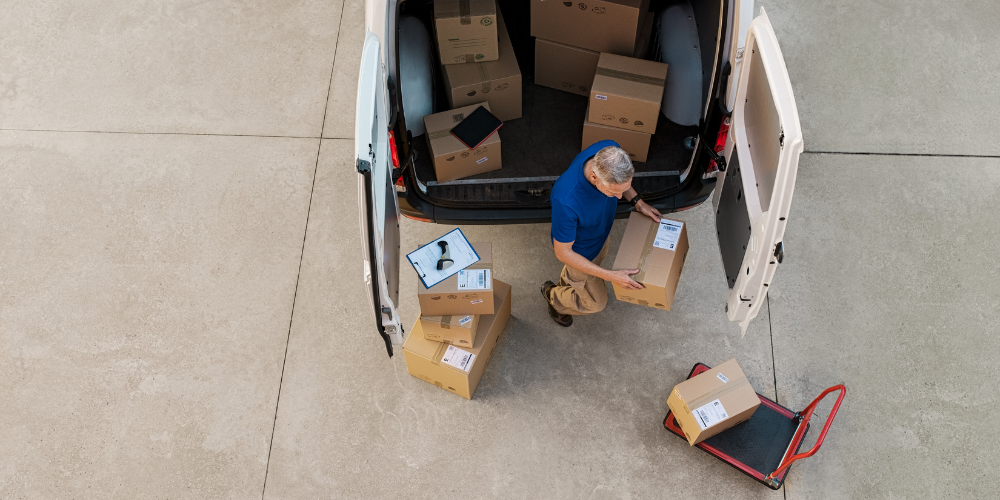
Courier van insurance is van cover that includes carrying other people's goods for payment, a class of use insurers call hire and reward. A standard van policy, even one with business use, usually leaves this out. If you are paid to collect and deliver goods in a van, the policy needs to say so. The rest of the cover, such as third party, fire and theft or comprehensive, works much like any other van policy.
- Specialist brokersCourier insurance brokers who arrange hire and reward cover every day.
- One short formTell us about the vehicle, the work and the drivers once.
- No obligationCompare the options you are offered and decide in your own time.
At a glance
- Courier van insurance adds hire and reward use to a van policy so you can carry goods for payment.
- It sits on top of the usual levels of cover: third party only, third party fire and theft, or comprehensive.
- Goods in transit, public liability and breakdown are usually separate or optional extras.
- Insurers price on the van, where it is kept, who drives, mileage and the kind of deliveries you do.
- Same-day, multi-drop and contract parcel work can be rated differently, so describing your work accurately matters.
- Courier Insure explains the cover and passes you to MyMoneyComparison.com, which introduces you to specialist brokers.
Courier van cover starts with the class of use, not the van
Every van policy lists the ways the vehicle can be used. Social, domestic and pleasure covers personal driving. Business use covers driving for work, and carriage of own goods covers moving your own tools or stock. None of these usually covers taking payment to carry someone else's parcels.
Courier van insurance adds hire and reward use, sometimes written as carriage of goods for hire and reward. That single line on the certificate is what separates a courier policy from an ordinary one, whatever the van looks like.
What a courier van policy usually covers, and what it leaves out
The core cover mirrors a normal van policy. The difference is that claims arising while you are working are not refused simply because you were delivering for payment.
Usually included
Your chosen level of cover for the van, liability to other people and property, and hire and reward use for the drivers named or allowed on the policy. Many policies also include a basic level of windscreen cover.
Often optional
Goods in transit for the parcels you carry, public liability for incidents at the door, breakdown, legal expenses, a courtesy or replacement van, and protected no claims bonus.
Commonly excluded
Loss of goods from an unattended or unlocked van, overnight theft of loads left inside, and certain high-value goods such as phones, tobacco, alcohol and jewellery unless declared and accepted.
The details that move a courier van quote up or down
Insurers build a price from a mix of driver, vehicle and work details. Some you can change, others you cannot, but giving accurate answers avoids problems at claim time.
Factors insurers commonly look at include:
- The van itself, its value, size and any racking, signwriting or modifications
- Your postcode and where the van is parked overnight
- The ages, licence history, claims and convictions of everyone who drives
- Annual mileage and whether you work locally or nationwide
- Single-drop or multi-drop work, and the type of goods carried
- Whether you choose a telematics or black box policy, where offered
Different kinds of courier van work carry different risks
Courier is a broad word. A driver doing short local rounds and a driver running urgent loads across the country face very different risks, and insurers know it. Being clear about your main type of work helps the broker find a policy that fits.
Multi-drop parcel rounds
Many stops a day, lots of time away from the van and a higher chance of theft from the vehicle. Multi-drop courier insurance is built around this kind of work.
Same-day and direct work
Fewer stops but longer journeys, higher mileage and often more valuable or urgent loads. Same-day courier insurance is built around this kind of work.
Contract and network rounds
Delivering for a parcel network or a single client, either in your own van or one provided to you. Van delivery driver insurance sets out who insures what.
Why business van cover is not the same as courier cover
Business use lets you drive to jobs, visit customers and carry your own equipment. It does not usually stretch to carrying goods for a fee. A plumber's van and a courier's van can be the same model, but the plumber is carrying their own kit while the courier is paid to move someone else's property.
Driving without cover for the way you use the vehicle can lead to points and a fine, and an insurer may refuse a claim made during uninsured use. If a quote does not mention hire and reward or courier use, it is worth asking the broker directly before going ahead.
Questions worth asking before you buy courier van insurance
These questions help you compare quotes on more than the headline price.
- Does the certificate show hire and reward or courier use?Without it, paid delivery work is usually not covered at all.
- Is goods in transit included, and what is the limit per load?The van policy alone does not usually pay for lost or damaged parcels.
- What are the unattended vehicle conditions?Many theft claims fail because the van was left unlocked or keys were left inside.
- Who is allowed to drive?A named driver policy and an any driver policy behave very differently if someone else takes a shift.
- Are any goods excluded?High-value items are often excluded or need to be declared in advance.
- Is there a mileage limit?Going over a declared mileage can affect a claim, so a realistic figure is worth giving.
- What happens if the van is off the road?A courtesy or replacement van can matter when the van is your income.
Courier van insurance questions
What does courier van insurance cover?
It covers your van at the level you choose, from third party only to comprehensive, with hire and reward use added so you can carry goods for payment. The goods themselves, liability at the door and breakdown are often separate options. It is worth checking each one on the quote.
Can I get courier van insurance on a new licence?
Some insurers accept newer drivers for courier work, but many set a minimum time the licence has been held. Where cover is available it may cost more or carry a higher excess. A specialist broker can say which insurers are open to your situation.
Does courier van insurance include goods in transit?
Not usually by default. Goods in transit is separate cover for the parcels you carry, and some courier policies offer it as an add-on. Limits, unattended vehicle conditions and excluded goods vary between policies.
Can I use my courier van for personal driving too?
Most courier van policies include social, domestic and pleasure use alongside hire and reward, but not all do. The certificate lists every class of use, so it is worth checking before using the van at weekends.
Is courier van insurance more expensive than normal van insurance?
It usually costs more, because the van spends longer on the road, makes more stops and carries goods for others. How much more depends on your van, postcode, drivers, mileage and type of work.
What happens if I do courier work on a normal van policy?
If you have an accident while delivering for payment, the insurer may refuse to pay for your own losses. Driving without cover for the way you use the vehicle can also lead to points and a fine.
Can I insure a leased or financed van for courier work?
Usually yes, as long as the finance or lease company allows commercial use. Some agreements set conditions, such as fully comprehensive cover, so it is worth checking the agreement before arranging a quote.
Ready to compare courier van insurance?
One form, specialist brokers, no obligation.