
Home › Removals and man and van · Updated
Removals and man and vanCompare removals insurance for man and van businesses
Moving people's furniture and belongings brings risks that a standard courier policy does not always cover. Courier Insure helps man and van operators and small removals firms find specialist brokers who arrange cover for this kind of work.
Get started- Free to use
- No obligation to buy
- Vehicle, goods and liability in one conversation
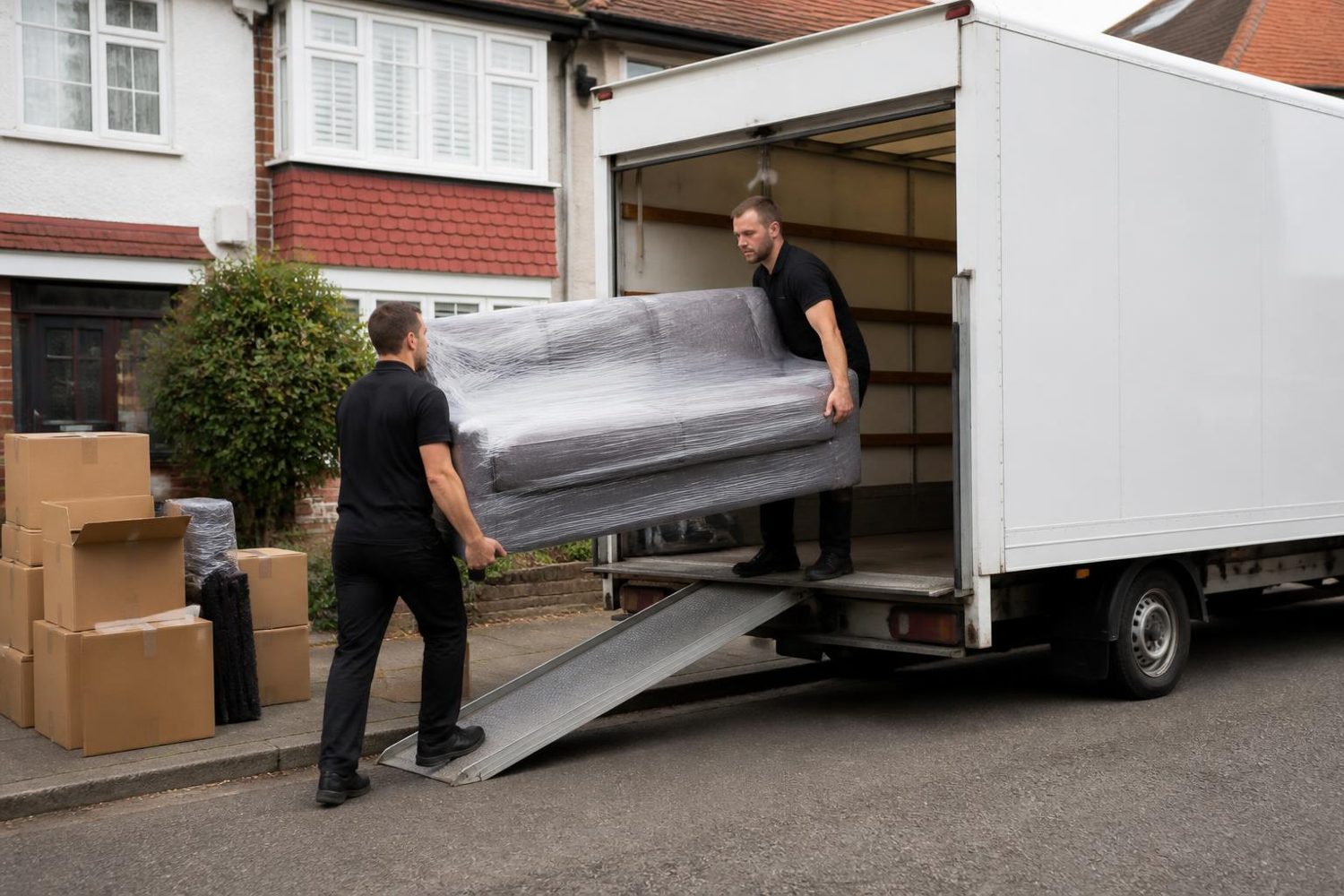
Removals insurance is a package of covers for man and van and small removals businesses, usually combining van insurance for hire and reward, goods in transit for household contents and public liability. Some operators also need cover for loading and unloading, items held in storage and anyone who works for them. Which parts you need depends on how the business runs and what customers expect.
- Specialist brokersCourier insurance brokers who arrange hire and reward cover every day.
- One short formTell us about the vehicle, the work and the drivers once.
- No obligationCompare the options you are offered and decide in your own time.
At a glance
- Removals vans carrying customers' belongings for payment usually need hire and reward use.
- Goods in transit for household contents differs from parcel cover and often has its own conditions.
- Public liability covers damage to customers' homes and injury to the public during a move.
- Loading and unloading is a common gap, so it is worth checking which policy covers it.
- Storage of customers' goods between moves may need separate cover.
- Taking on staff or casual helpers usually brings employer's liability into the picture.
Removals work carries different risks to parcel delivery
A courier carries sealed parcels from one address to another. A removals business handles a household's furniture, appliances and personal belongings, often carrying them through narrow doorways and up stairs. The goods are bulky, sometimes fragile and often hard to value.
That changes how insurers view the work. A standard courier van policy may cover the vehicle for hire and reward, but customers' belongings, damage to their property and injuries during lifting need their own cover.
Insuring the van for moving customers' belongings
The vehicle itself usually needs hire and reward use, because you are carrying other people's goods for payment. Some insurers write removals as a separate trade from courier work, so it is worth describing the business accurately when getting quotes.
Luton vans and vans with tail lifts are common in removals and can affect the price. Insurers also ask about where the van is kept, who drives it and whether it travels long distances for house moves.
- Van type, size and any tail lift or modifications
- Named drivers or any driver cover for helpers
- Overnight parking and security
- Typical journey lengths, from local moves to longer trips
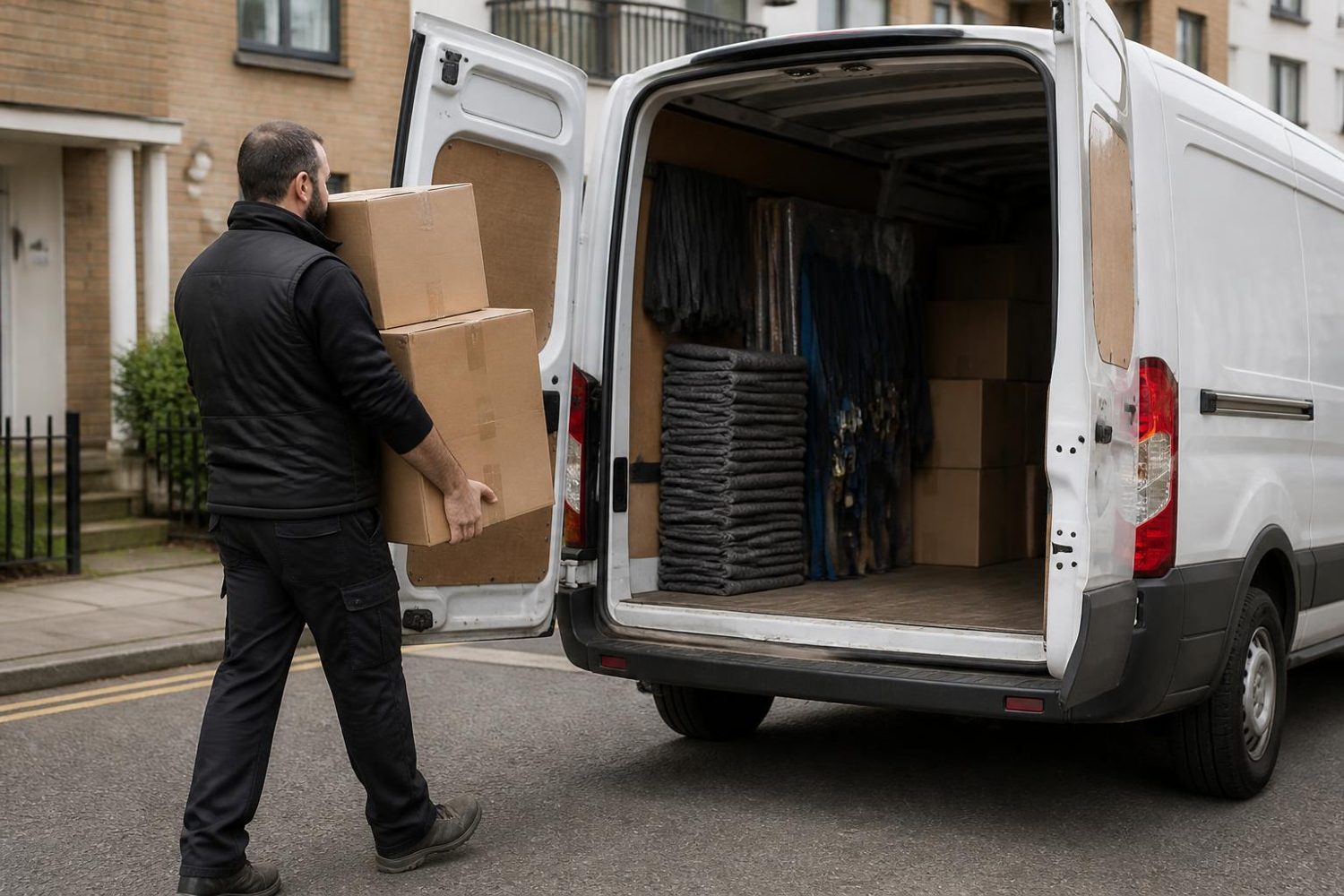
Goods in transit for household contents
Goods in transit for removals covers customers' belongings while in your care, against risks such as damage, theft or loss, subject to the policy's conditions. It is usually set up differently from parcel goods in transit because the items are larger and more varied.
Policies usually set a limit per load or per vehicle, so it is worth checking that the limit reflects the value of a typical household you move. Common exclusions and conditions are also worth reading before the first move.
Packing conditions
Some policies pay out for breakages only if your team packed the items. Goods packed by the customer may be covered for theft or total loss only.
High-value and fragile items
Antiques, artwork, jewellery, electronics and pianos are often excluded or limited unless declared in advance.
Unattended and overnight vehicles
A loaded van left overnight or unattended may need to meet security conditions for theft cover to apply.
Public liability and the risks of loading and unloading
Many claims in removals happen not on the road but at the property. A sofa scrapes a freshly painted wall, a wardrobe damages a banister, or a passer-by trips over items left on the pavement. Public liability covers this kind of damage or injury to third parties.
Loading and unloading can fall between policies. Some motor policies cover it, some goods in transit policies cover the goods but not the building, and public liability may cover the building but not the goods. Asking the broker to explain which policy responds in each case helps avoid a gap.
Storage, staff and growing beyond one van
As a removals business grows, it often adds storage for customers between moves and takes on help for bigger jobs. Each step brings new insurance questions.
Goods held in a container or unit are usually not covered by goods in transit, which applies while items are on the move. Separate storage cover is often needed. If you employ people, even casually, employer's liability is normally required, and any helper driving the van needs to be covered on the motor policy.
- Storage cover for goods kept between moves
- Employer's liability for staff and casual helpers
- Motor cover for every person who drives the van
- Fleet options if you run more than one vehicle
Questions worth asking before you buy removals insurance
Removals combines several covers, so these questions focus on where they meet and where gaps can appear.
- Is the van insured for removals as well as general hire and reward?Some insurers treat removals as a separate trade.
- Which policy covers damage during loading and unloading?This is a common gap between motor, goods in transit and liability cover.
- Are customer-packed items covered for breakage?Many policies limit cover for goods you did not pack.
- What items are excluded or limited from goods in transit?Antiques, artwork and electronics often have special conditions.
- Are goods covered while in storage between moves?Goods in transit usually stops once items leave the vehicle for storage.
- Are casual helpers covered under employer's liability?Even occasional help can bring this cover into play.
- What level of public liability do customers or building managers ask for?Some properties ask movers for proof before access is allowed.
Removals insurance questions
What insurance does a man and van business need?
Most man and van operators need van insurance with hire and reward use, goods in transit for customers' belongings and public liability. If you employ anyone or store goods, employer's liability and storage cover may also be needed.
Does goods in transit cover furniture damaged during a house move?
It often does, subject to the policy's conditions. Some policies only cover breakage if your team packed the items, and fragile or high-value pieces may be excluded unless declared. It is worth reading the conditions before each job.
Can I use courier van insurance for removals work?
Some courier policies cover removals and some do not, because insurers may treat it as a separate trade. It is worth describing your work clearly so the insurer knows the van carries household contents.
Am I covered if I damage a customer's house during a move?
Damage to the property itself, such as walls, floors or banisters, is usually a public liability matter rather than goods in transit. Having public liability in place helps cover this kind of claim.
Do I need insurance for a mate who helps me on removals jobs?
If someone works for you, even casually or for cash, employer's liability is usually required. If they drive the van, they also need to be covered on the motor policy.
Does removals insurance cover goods kept in storage?
Goods in transit normally covers items while they are being moved, not while they sit in a unit or container. Storage usually needs separate cover, which some brokers can arrange alongside the rest.
Ready to compare removals insurance?
One form, specialist brokers, no obligation.