
Home › Goods in transit · Updated
Goods in transitGoods in transit insurance for couriers and the loads they carry
Your van policy covers the van. Goods in transit covers what is inside it. Compare cover for the parcels and consignments you carry through specialist courier insurance brokers.
Get started- Free to use
- No obligation to buy
- For the parcels and loads you carry
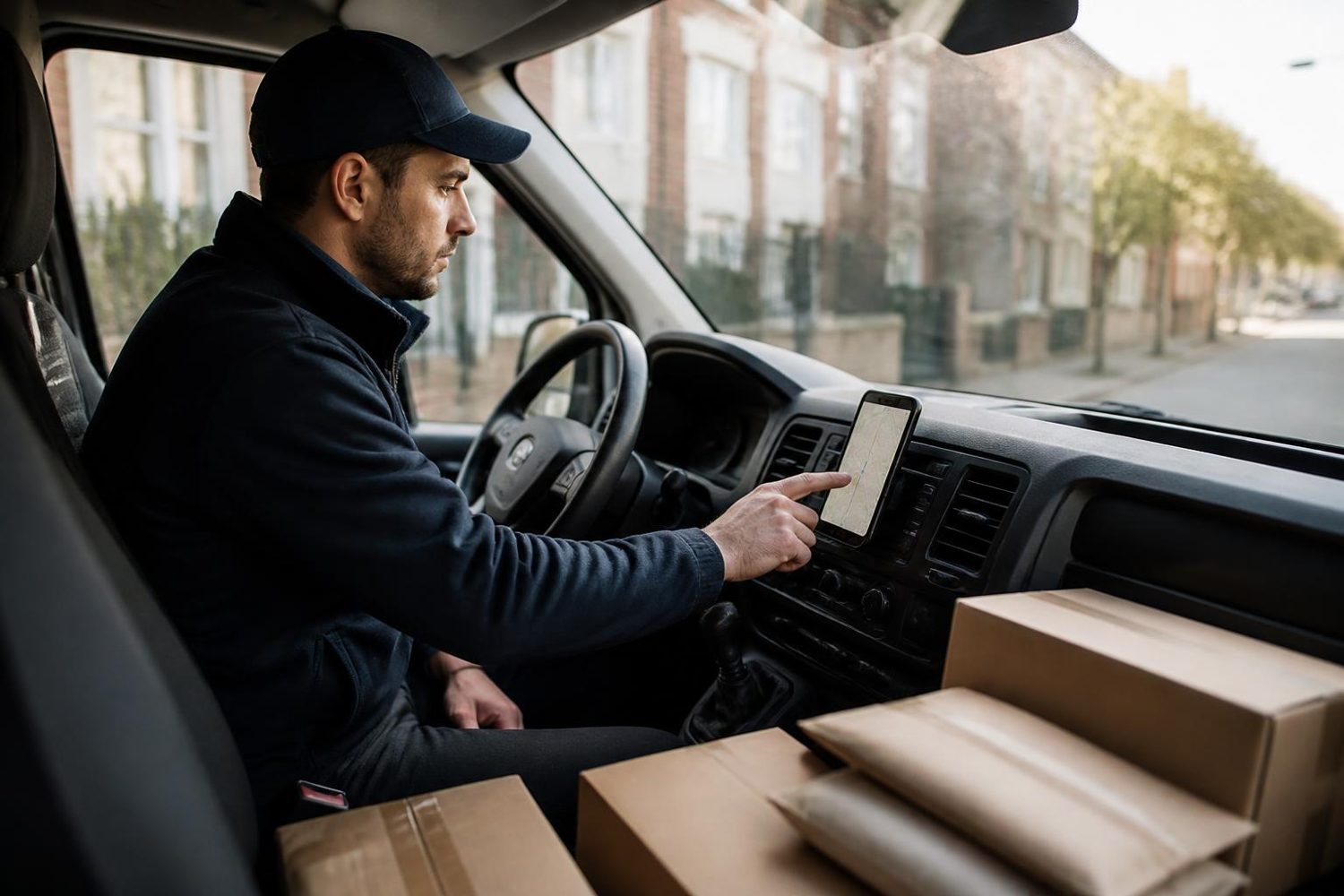
Goods in transit insurance covers loss of or damage to the goods you carry, for example through theft, fire or an accident, while they are in your vehicle or being loaded and unloaded. It is separate from motor insurance and is usually arranged as its own policy or an add-on. Most policies set a limit per load or per vehicle and include conditions about unattended vehicles, overnight parking and high-value goods.
- Specialist brokersCourier insurance brokers who arrange hire and reward cover every day.
- One short formTell us about the vehicle, the work and the drivers once.
- No obligationCompare the options you are offered and decide in your own time.
At a glance
- Goods in transit covers the load, not the vehicle or your liability on the road.
- Cover usually has a limit per load or per vehicle, chosen to match what you typically carry.
- Unattended vehicle and overnight conditions are common and often decide whether a theft claim is paid.
- High-value goods such as phones, jewellery, tobacco and alcohol are often excluded or limited.
- Courier contracts sometimes ask for a set level of goods in transit cover.
- Hire and reward goods in transit is for other people's goods; own goods cover is for your own stock.
What goods in transit actually pays for
Goods in transit is about the load. If parcels are stolen from the van, damaged in an accident or destroyed by fire while in your care, the policy can pay for them, up to the limit and subject to its conditions.
Many policies cover goods from the point of collection to delivery, including loading and unloading. Some also cover goods held briefly in a depot or at home between jobs, while others do not. It is worth checking where cover starts and stops.
Events commonly covered, depending on the insurer:
- Theft from a locked and secured vehicle
- Damage in a road accident
- Fire, and in some policies flood or storm
- Damage during loading and unloading
Setting the limit: per load, per vehicle and per consignment
Goods in transit policies usually set a maximum amount the insurer will pay. This may be per load, per vehicle or per consignment, and some policies also have a single-item limit.
The limit is worth setting to match the most valuable load you are likely to carry, not the average one. If a load is worth more than the limit, the claim may only be paid up to the limit, and some policies reduce claims if the cover was set too low. Contracts sometimes state a minimum limit, so check yours before comparing quotes.
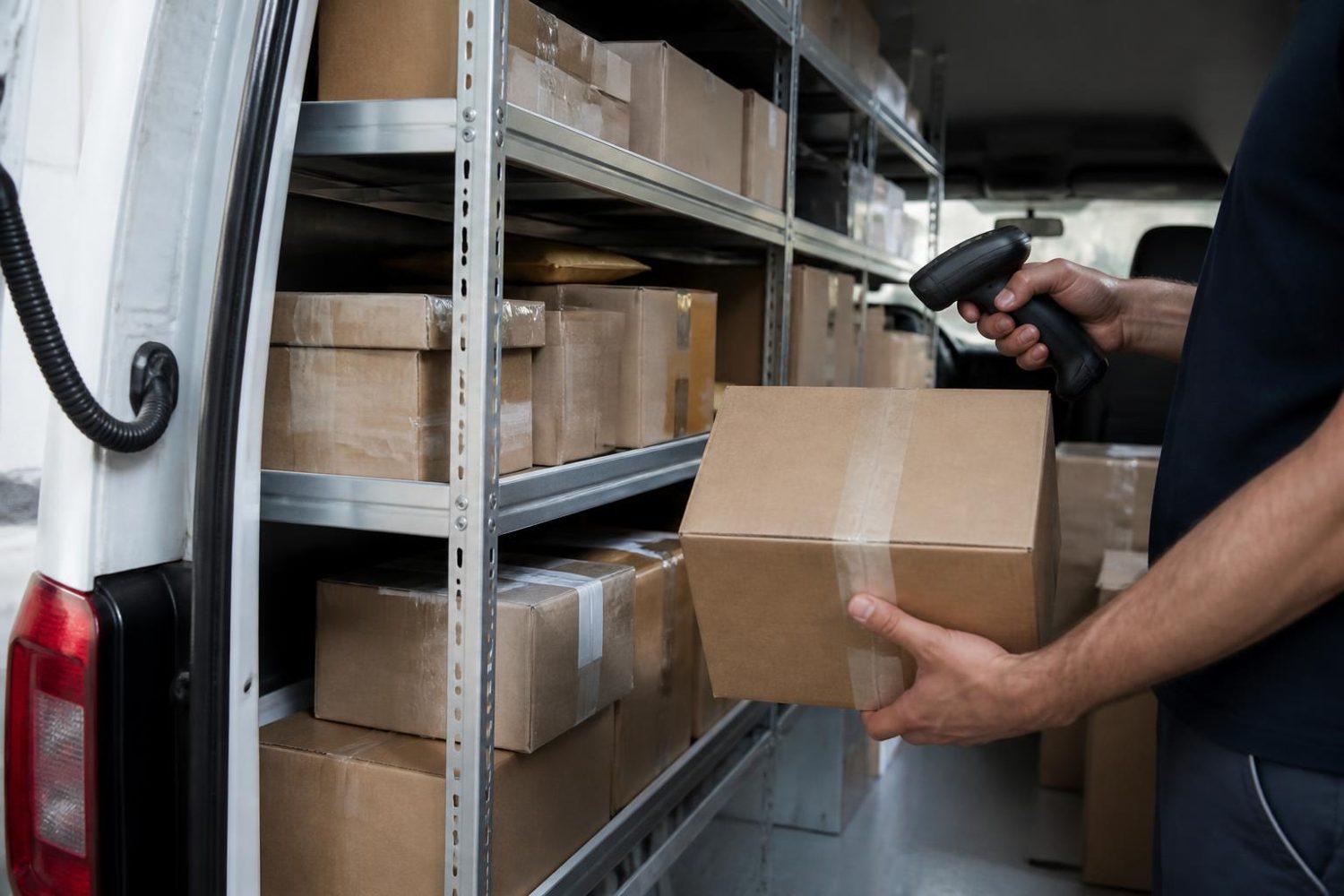
Unattended vehicles and overnight parking: where many claims fall down
Conditions about leaving the vehicle are some of the most important parts of any goods in transit policy. They often decide whether a theft claim is paid at all.
Common conditions include keeping the vehicle locked with windows closed and keys removed whenever you leave it, and having an alarm or immobiliser in working order. Overnight conditions may require a loaded vehicle to be kept in a locked building or secure compound, or exclude theft from a loaded vehicle left in the street overnight.
Daytime drops
Many policies accept short absences for deliveries if the vehicle is locked and secured. Some set time limits or require the vehicle to be in view.
Overnight loads
If you leave goods in the vehicle overnight, at home or on a national job, it is worth asking exactly what the policy requires.
High-value goods that many policies leave out
Some goods are more attractive to thieves, and insurers often exclude or limit them. If you carry them regularly, mention it when asking for quotes, as specialist cover may be available subject to the insurer's acceptance criteria.
- Mobile phones, laptops and other electronics
- Jewellery, watches and precious metals
- Tobacco and cigarettes
- Wines, spirits and other alcohol
- Cash, documents of value and pharmaceuticals
Hire and reward goods in transit versus own goods cover
There are two broad kinds of goods in transit cover. Hire and reward goods in transit is for couriers carrying other people's goods for payment. Own goods cover is for businesses moving their own stock, tools or products.
A courier carrying parcels for clients or networks usually needs the hire and reward version. Some hire and reward policies also include carriers' liability terms, meaning they respond when you are held responsible to the owner for the loss of their goods. It is worth asking the broker how the policy you are offered handles that.
When a courier contract asks for goods in transit
Delivery networks, same-day firms and direct business clients sometimes ask couriers to hold goods in transit cover, at a set limit, before giving them work. Others take responsibility for lost goods themselves. Check the current terms in your contract to see which applies.
If several contracts ask for different limits, the policy usually needs to meet the highest one. Keeping a copy of the certificate to hand helps when a new client asks for proof.
Questions worth asking before you buy goods in transit insurance
These help you compare goods in transit cover for courier work.
- Is the limit per load, per vehicle or per item?The structure affects what you receive on a large claim.
- What are the unattended vehicle conditions?Theft claims often depend on them.
- Is a loaded vehicle covered overnight, and where?Many policies restrict overnight cover to secure locations.
- Which goods are excluded or limited?High-value items are often outside standard cover.
- Is it hire and reward or own goods cover?Couriers carrying other people's goods usually need hire and reward.
- Does the limit meet my contracts' requirements?Clients and networks may set a minimum.
- Does cover include loading, unloading and short stops at home or a depot?Where cover starts and ends varies between policies.
- Is there an excess on each claim?It reduces what you receive for smaller losses.
Goods in transit insurance questions
Do I need goods in transit insurance as a self-employed courier?
It depends on your contracts and how much risk you are prepared to carry. Some networks and clients ask for it before giving work, while others accept responsibility for lost goods. Check the current terms in your contract.
Does my courier van insurance cover the parcels I carry?
Usually not. A courier van policy covers the van and your liability on the road. Goods in transit is separate cover for the load, although some insurers offer it as an add-on.
How much goods in transit cover do I need?
Many couriers set the limit to the most valuable load they expect to carry, and at least to any minimum their contracts ask for. A broker can talk through how limits work on the policies available.
Does goods in transit cover theft from an unlocked van?
Usually not. Most policies require the vehicle to be locked and secured whenever it is unattended, with keys removed. Theft from an unlocked vehicle is a common reason for claims being refused.
Can I get goods in transit for carrying phones or electronics?
Phones and electronics are often excluded or limited on standard policies. Some insurers offer cover for higher-value goods, subject to their acceptance criteria and extra security conditions.
What is the difference between own goods and hire and reward goods in transit?
Own goods cover is for moving your own stock or tools. Hire and reward goods in transit is for carrying other people's goods for payment, which is what most couriers do.
Does goods in transit cover goods left in my van overnight?
Only if the policy's overnight conditions are met. Many require a loaded vehicle to be kept in a locked building or secure compound, and some exclude overnight theft from vehicles parked in the street.
Ready to compare goods in transit insurance?
One form, specialist brokers, no obligation.